News Analysis · Bulgaria
Black Sea Tensions and Inflation: Bulgarians Choose Iliana Iotova as President
On Sunday, November 1, 2026, Iliana Iotova made history by becoming the first woman elected President of the Republic of Bulgaria. Long regarded as the…

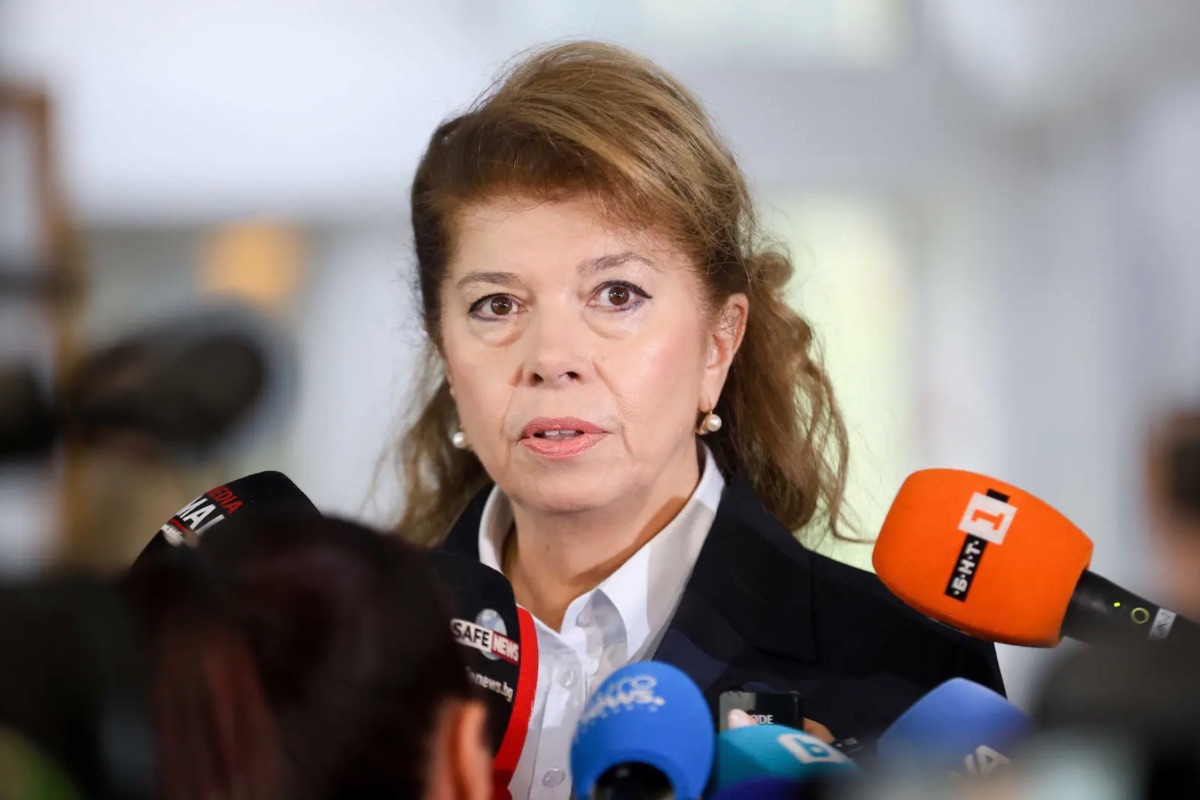
On Sunday, November 1, 2026, Iliana Iotova made history by becoming the first woman elected President of the Republic of Bulgaria. Long regarded as the frontrunner in the polls, she had until then served as Vice President of the Republic, a post to which she had been elected twice alongside Rumen Radev. Following his resignation in January 2026, she was called upon to serve as acting president.
Although a member of the Bulgarian Socialist Party (BSP), Iotova ran in this election as an independent candidate backed by an initiative committee. Her candidacy was supported by a broad bloc ranging from the left to the far right, including Radev’s party Progressive Bulgaria (PB), the BSP-led Coalition for Bulgaria, the sovereigntist VMRO, and the pro-Russian left-wing party ABV.
In the second round on November 1, 2026, Iotova won a decisive victory with 57.57% of the votes cast (1,093,852 votes), defeating the centrist, pro-Western candidate Andrey Gyurov (39.48%).
The new president will be sworn in for a five-year term in January 2027.
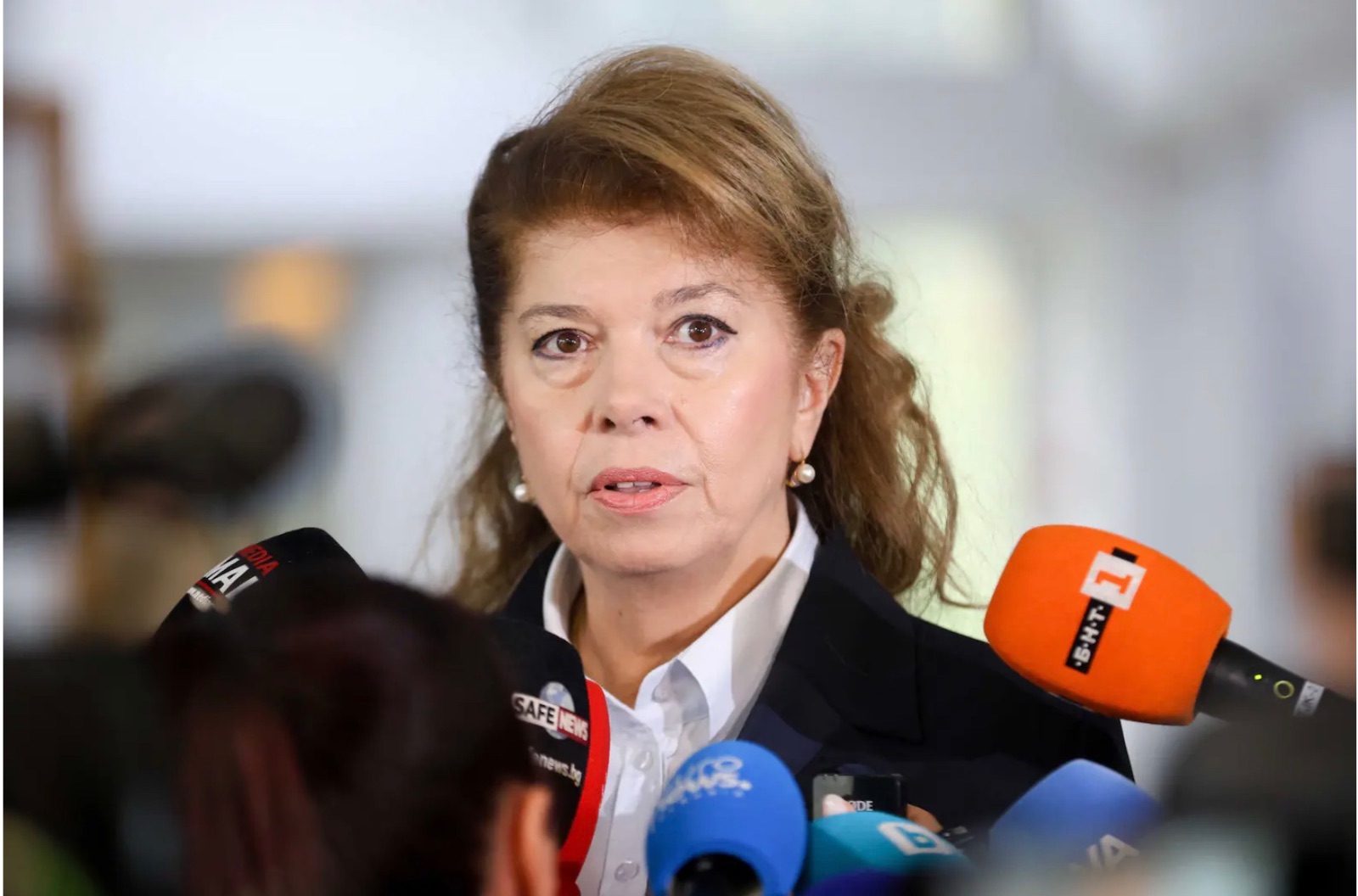
Security Concerns and Economic Hardship: Factors Explaining Voting Behavior
The election campaign took place against a particularly heavy backdrop of international insecurity. Because of its position on the Black Sea coast, Bulgaria has felt the full impact of the war in Ukraine. During the first eight months of 2026, more than 163 civilian and commercial vessels were targeted in the region, marking a clear geographical expansion of Russian drone strikes toward the exclusive economic zones (EEZs) of Bulgaria and Romania. More than 85% of the attacks on merchant ships over the past two months have been attributed to Russian forces, primarily targeting cargo flows and maritime traffic. Several tragedies near Bulgarian territory left a strong impression on the public, such as the sinking of the cargo ship HS Dignity off Krapets, which left eleven people missing, and the attack on a merchant vessel 21 nautical miles from Shabla.
This escalation placed national defense and diplomatic positioning at the heart of the campaign and led Sofia to ask NATO and the European Union for help in improving its early-warning and anti-drone protection capabilities.
On the socioeconomic front, this maritime insecurity weighed heavily on voters’ choices. The threat to shipping lanes caused marine insurance premiums to soar (sometimes exceeding 10%), which discourages shipowners and threatens oil supplies to the Bulgarian refinery. In coastal communities such as Krapets, where residents live to the sound of explosions offshore, the war is felt directly through runaway inflation, rising fuel and electricity costs, and a disastrous tourist season. These daily hardships deepened divisions within a Bulgarian public opinion polarized between the desire to maintain a Euro-Atlantic anchor and the prevalence of pro-Russian sentiment calling for a return to peace.
Consequently, faced with these geopolitical tensions and Bulgarians’ everyday concerns about inflation, Iliana Iotova built her political strategy on two pillars. On the one hand, she proclaimed herself the “president of peace”, adopting a line close to that of Prime Minister Rumen Radev. She advocates keeping open diplomatic dialogue with Russia and calls for the lifting of economic sanctions on Moscow. She has also been very reserved about continuing direct military aid to Ukraine, a sharp break with her opponent Andrey Gyurov, a firmly pro-Western supporter. On the other hand, Iotova focused her proposals on protecting incomes and social justice. When announcing her victory, she attributed it to her message centered on “incomes, peace and the challenges ahead,” which resonated with a population worn down by economic uncertainty.
A Political Class Increasingly Rejected by Citizens
Despite the high stakes of the vote, the 2026 presidential election was marked by a particularly high level of abstention. In the first round on October 25, turnout fell to a historic low of 22.98%. Although participation rose slightly in the second round to 28.63%, it remains far below the already historically low rate recorded in the 2021 election (38.64%).
This low turnout is a direct symptom of deep electoral fatigue among Bulgarian citizens, compounded by widespread distrust of the political class. Indeed, between 2021 and 2026, voters were called to the polls eight times for parliamentary elections in an attempt to produce a stable governing majority.
The crisis of democratic trust also showed up at the ballot box through the “None of the above” option (permitted since 2016). This neutral protest vote gathered 67,353 ballots in the first round (4.43%) and 56,080 ballots in the second round(2.95%), illustrating the persistent rejection by part of the electorate of the political choices on offer.
Ensuring Stability and Restoring Trust to Meet the Country’s Future Challenges
Ultimately, beyond the electoral victory, this vote opens a decisive period for Bulgaria’s institutional and geopolitical future. Although the Bulgarian constitutional system gives the presidency an essentially ceremonial role, the head of state holds significant institutional powers: she is the commander-in-chief of the armed forces, concludes international treaties, represents Bulgaria abroad, and holds a legislative veto allowing her to return bills to the National Assembly.
Iotova’s success confirms a form of consolidation of executive power in the hands of the governing majority, but it also raises major strategic challenges for the country’s future. One of the main strategic issues in the years ahead will be managing the contradictions in Bulgarian diplomacy and political life. President Iotova will have to reconcile Bulgaria’s status as a member of the European Union and NATO, seeking the protection and oversight of its allies in the Black Sea, with her own and her government’s stance favoring diplomatic dialogue with Moscow, an end to sanctions on Russia, and restraint regarding military aid to Ukraine.
After five years of political instability marked by eight successive parliamentary elections, the challenge will also be to restore the trust of a disillusioned electorate, marked by record abstention and a widespread lack of faith in the political class.